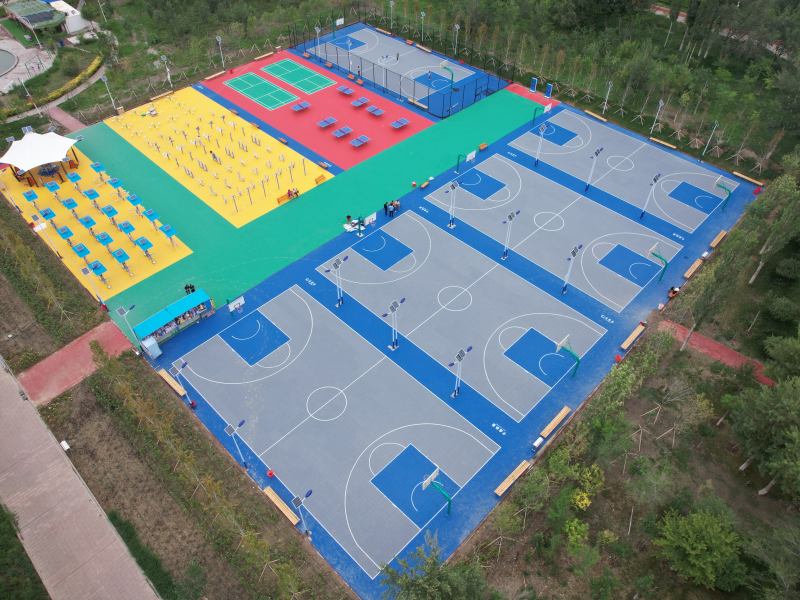
When building or renovating a basketball court, choosing the right surface material is crucial—it directly affects your playing experience, joint protection, and how long the court lasts.
Today, we’ll break down three common options for basketball: Acrylic (Hard & Elastic), Silicon PU, and interlocking tiles, focusing on their elasticity, comfort, and 10-year durability potential.
1. 1 Hard Acrylic: The Budget-Friendly Option
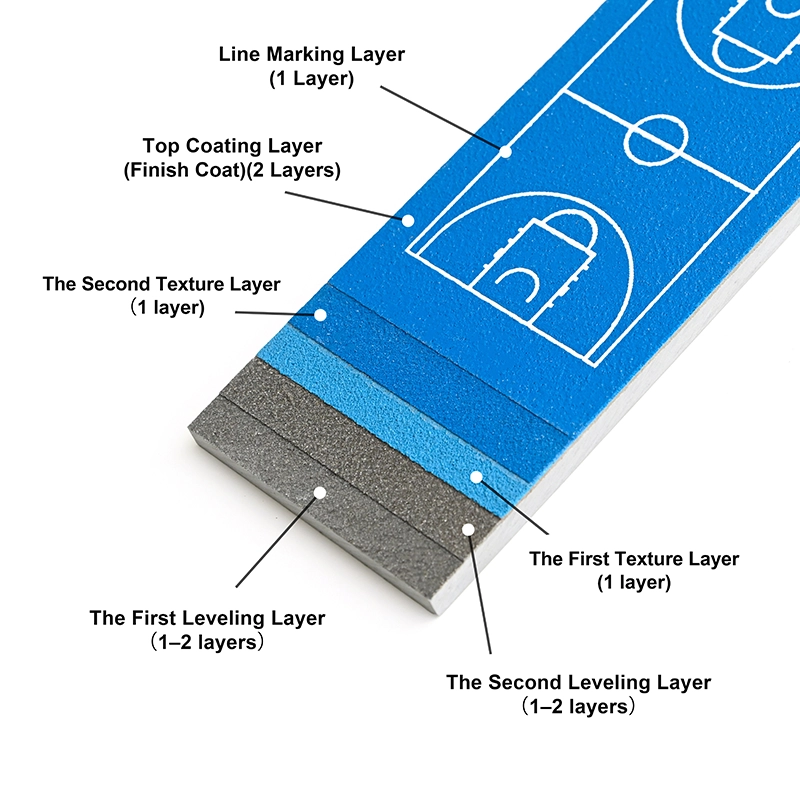
1. 2 Elastic Acrylic: Good Safety Performance—Cushioning For Ankles and Knees
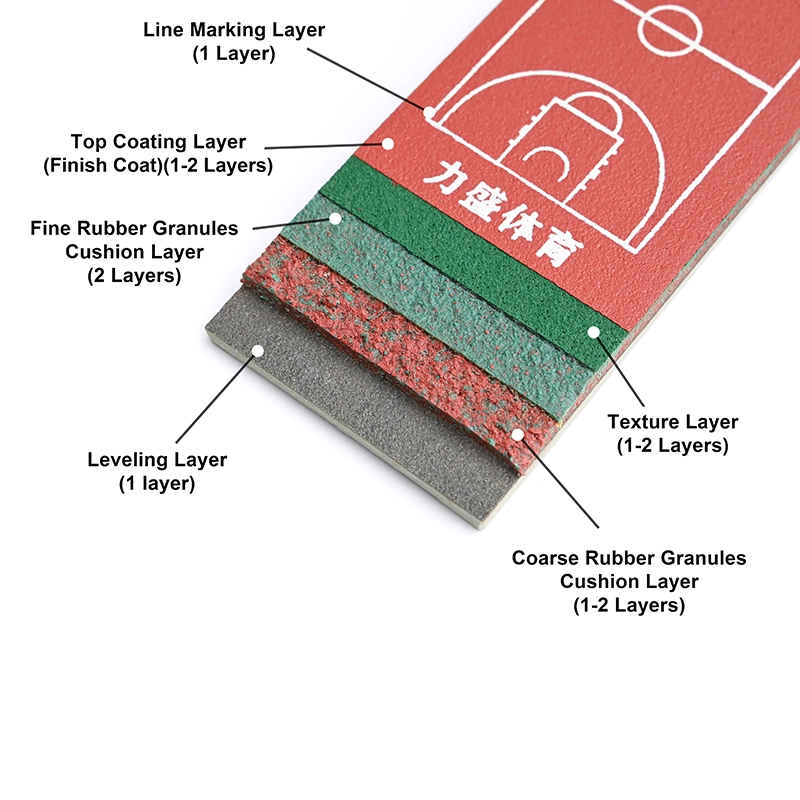
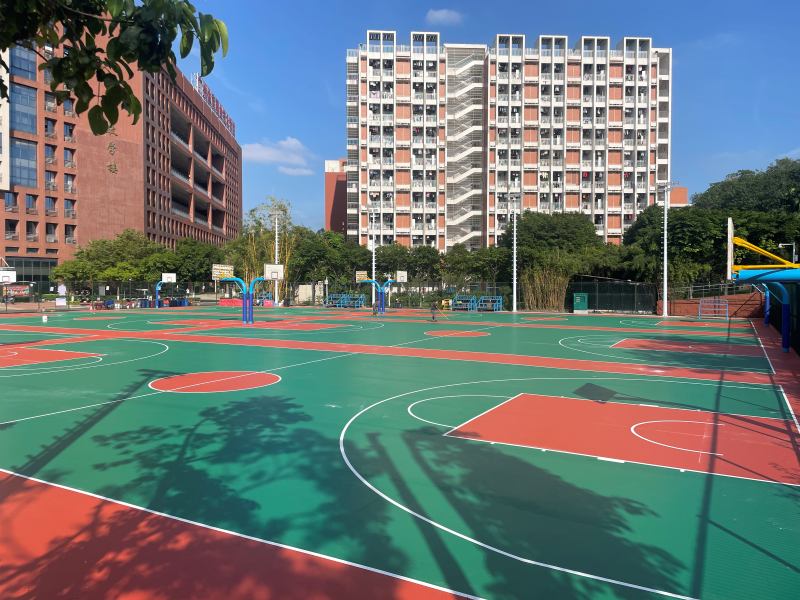
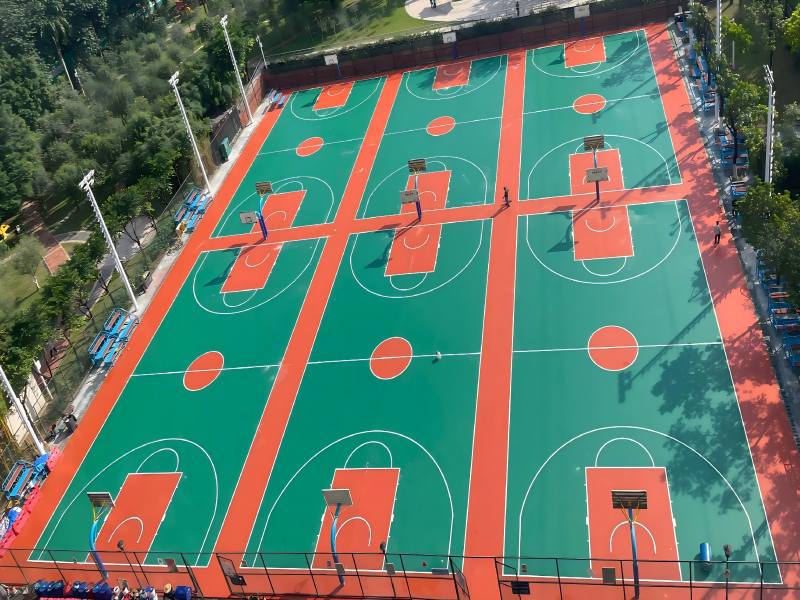
Acrylic is a popular choice for outdoor basketball courts, available in two main types: Hard Acrylic and Elastic Acrylic. It’s made from acrylic resin mixed with quartz sand and water, creating a smooth, matte surface that’s easy to maintain.
Elasticity & Comfort
- Hard acrylic–Rigid material—great for precise ball bounce and fast gameplay, but it offers minimal shock absorption. If you play for hours, your knees and ankles might feel sore, as it can’t buffer the impact of jumps and runs.
- Elastic acrylic–Adds some coarse and fine rubber cushion layers(1-2 layers), boosting shock absorption in a certain. It’s softer than hard acrylic but still less elastic than the other material we’ll discuss. You’ll notice a slight bounce underfoot, but it’s not as plush for long sessions.
2. Silicon PU: The Elasticity & Durability Champion
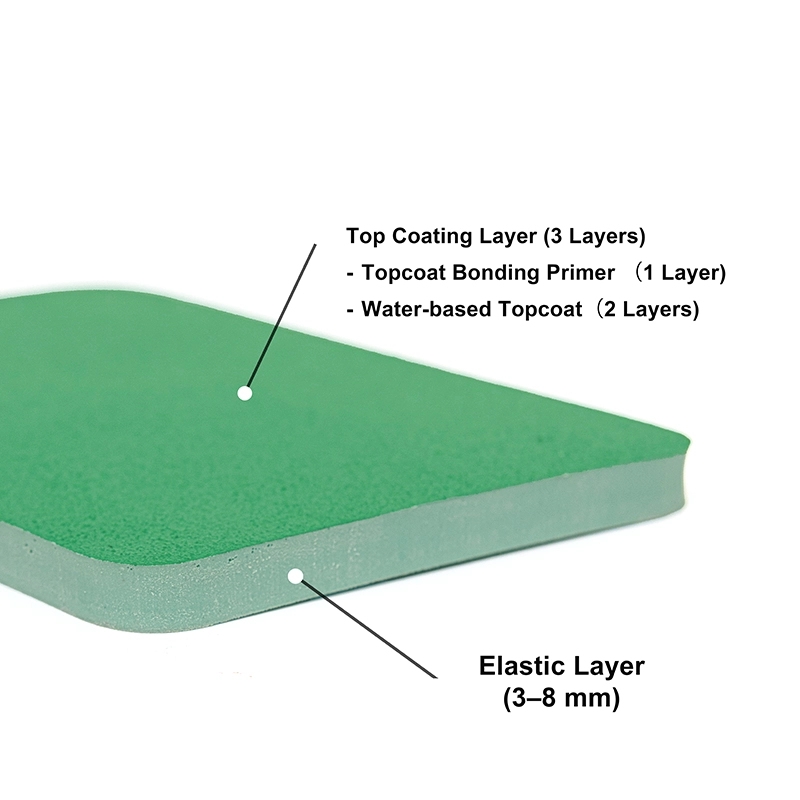
Silicon PU is a composite material blending polyurethane and organic silicon, designed specifically for sports courts. It’s quickly become a top choice for both indoor and outdoor use, thanks to its balanced performance and longevity.
Elasticity & Comfort
Silicon PU (SPU) – “Hard Top, Soft Bottom”. Its 3-8mm thick elastic layer acts like a shock absorber, absorbing up to 60% of the impact from jumps and landings. When you play, you’ll feel a soft, responsive bounce underfoot—gentle on your knees, ankles, and lower back, even during intense, hours-long games. The surface is also non-slip, even when wet, and the ball bounces consistently, making it perfect for both casual play and professional training. Unlike acrylic, it doesn’t feel hard or jarring, striking the ideal balance between firmness and cushioning.
Lifespan
Silicon PU is built to last—it’s the only material in this guide that reliably reaches the 10-year mark. It’s highly resistant to UV rays, rain, frost, and wear from constant foot traffic and ball impact. The material doesn’t fade easily, and it’s less prone to cracks or peeling compared to acrylic. Routine maintenance is simple: just sweep away debris, wash with water occasionally, and touch up small scuffs as needed. For anyone looking for a long-lasting, comfortable court, Silicon PU is the clear winner.
Supplier Selection
Purchasing acrylic tennis court materials directly from the manufacturer offers significant advantages over buying through trading companies.
Lisheng Sports manufactures its own acrylic sports surfacing systems, enabling us to implement strict quality control throughout the entire process, from raw materials to the finished product.
By working directly with LiSheng Sports, you benefit from:
- -Factory-direct pricing
- -Annual production capacity of 100,000 ton
- -OEM and ODM support
- -Professional technical support
- -Over 15 years of experience in production, R&D, and construction.
- -An R&D team of 20 members holding master’s and doctoral degrees
- -Modern chemical testing laboratory and testing equipment.
3. Interlocking Flooring: Even an individual can install and dismantle it
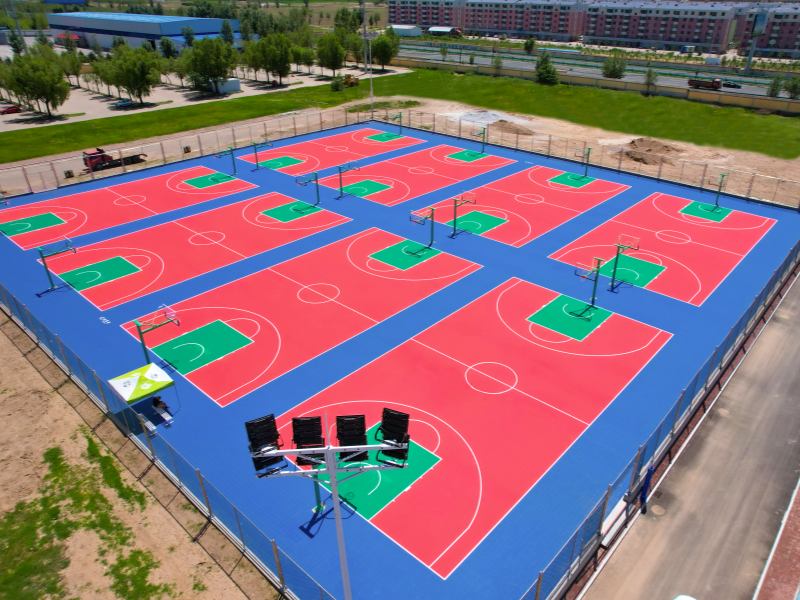
Interlocking tiles, also known as modular flooring–made from high-quality polypropylene (PP) or polyethylene (PE). It features interlocking edges that allow for easy installation without professional tools, making it a popular choice for temporary or semi-permanent courts, both indoor and outdoor.
Elasticity & Comfort
Most interlocking flooring tiles come with a textured surface and built-in shock-absorbing pads or hollow structures, which provide moderate elasticity. The cushioning effect is better than hard acrylic but slightly inferior to Silicon PU.
It can effectively reduce the impact on joints during jumps and runs, and the textured surface enhances slip resistance, even in wet conditions. However, the bounce feel is a bit firmer than Silicon PU, and long hours of intense play may still cause mild joint fatigue for some players.
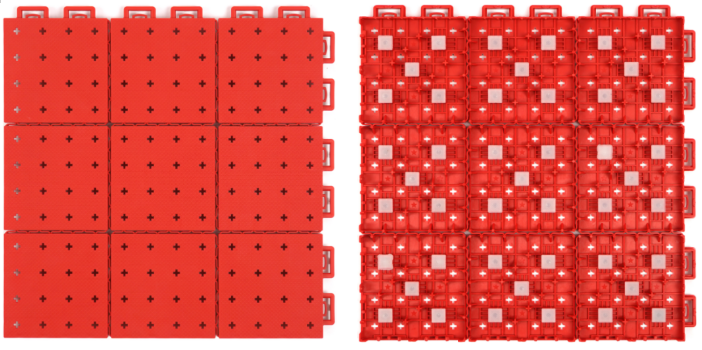
High-resilience cushioning pad for superior absorption
To sum up, Silicon PU stands out for its unbeatable combination of elasticity, comfort, and 10+ year durability for all play scenarios. Acrylic is budget-friendly for casual outdoor use and interlocking flooring is a flexible choice for those needing easy installation and moderate performance. No matter which material you pick, proper maintenance is key to extending its life.
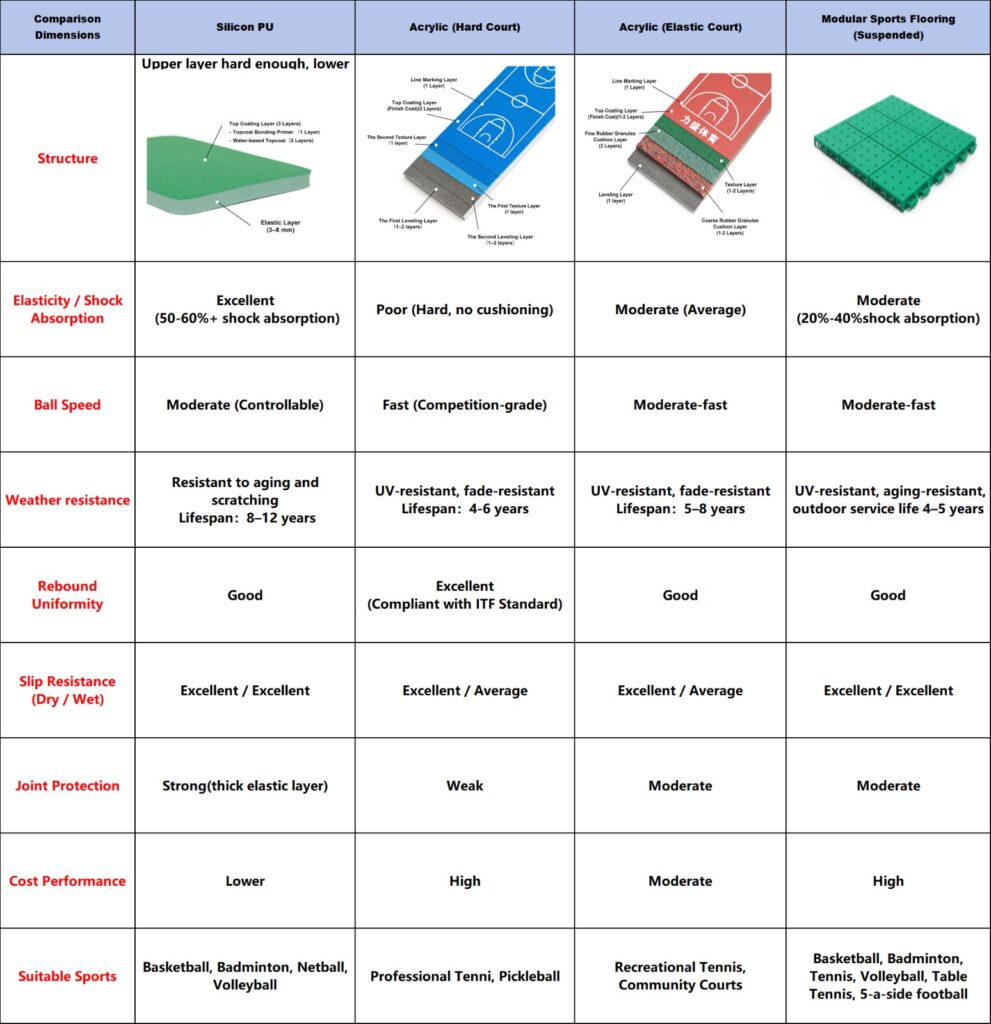
Comparison Table of Three Materials Across Various Dimension
Final Comparison: Which One to Choose?
Let’s sum up the key points to help you decide:
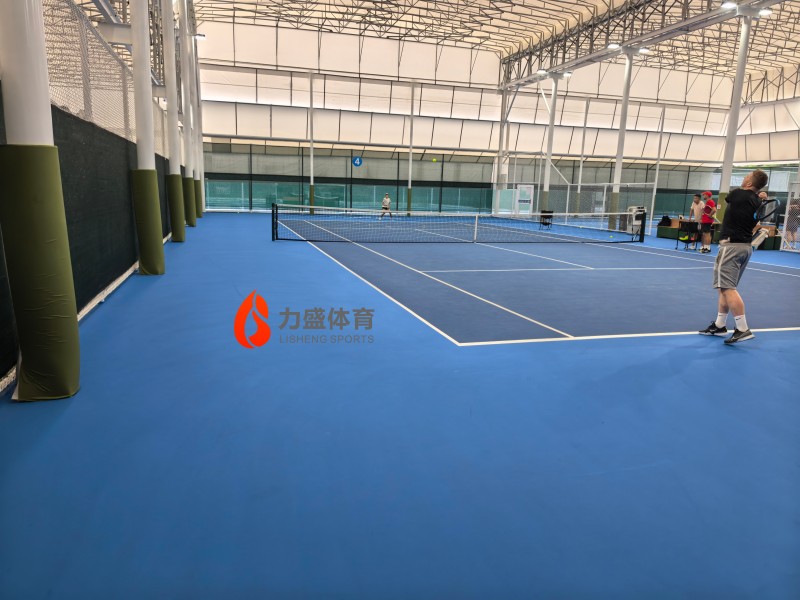
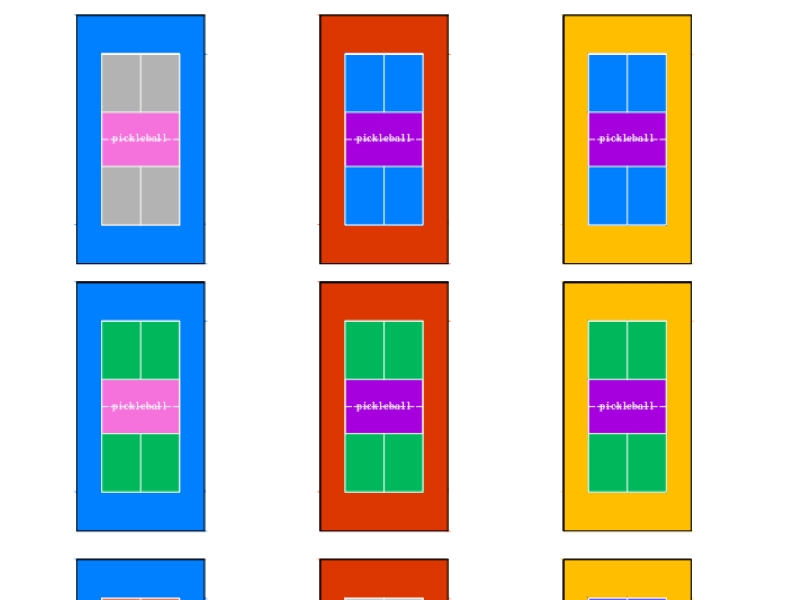
- Acrylic (Hard/Elastic): Budget-friendly, good for casual outdoor play, but low elasticity and short lifespan (5-8 years). Ideal for customers on a budget who require high ball speed and precision (suitable for tennis and pickleball).
- Silicone PU: Best overall—superb elasticity, joint-friendly comfort, and 10+ years of lifespan. Works for both indoor and outdoor, ideal for heavy, regular play. Worth the extra upfront cost for 40-60% lower long-term expenses
- Interlocking Flooring: Versatile modular option, moderate elasticity, 5+ years lifespan, easy to install and remove, suitable for indoor/outdoor casualz play. Suitable for those with no installation experience, as well as for competition venues requiring temporary assembly and disassembly.
Now that you’ve read this, do you know how to make your choice?
No matter which of the above options you require, Lisheng Sports can meet your needs.
📲Contact us for a FREE Professional Advice&Project Consultation:
WhatsApp/Phone: [+86 13536038244]
Website: https://lishengsports.com/
Email: [[email protected]]